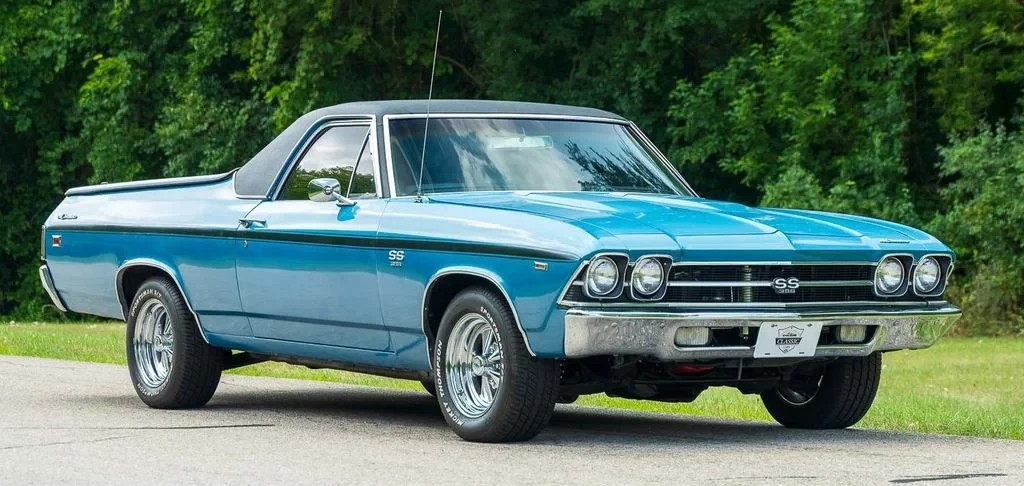
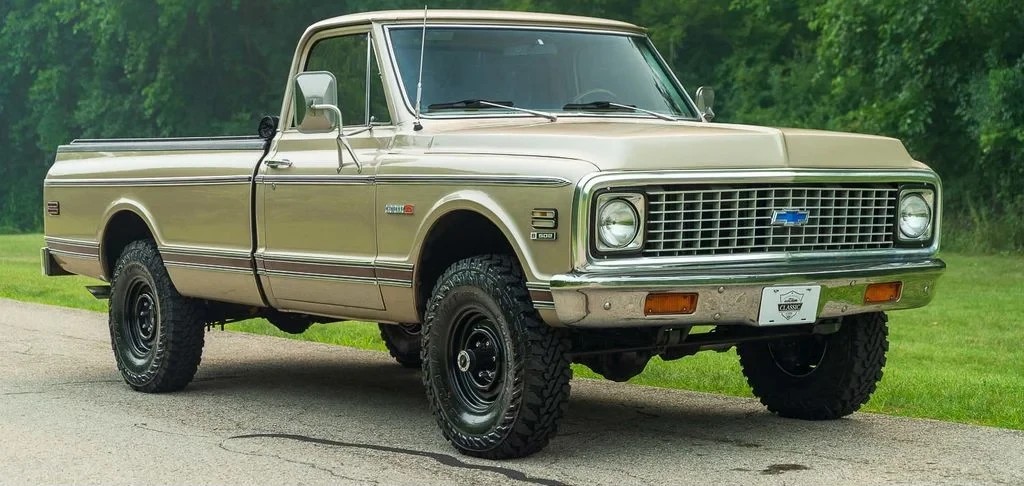
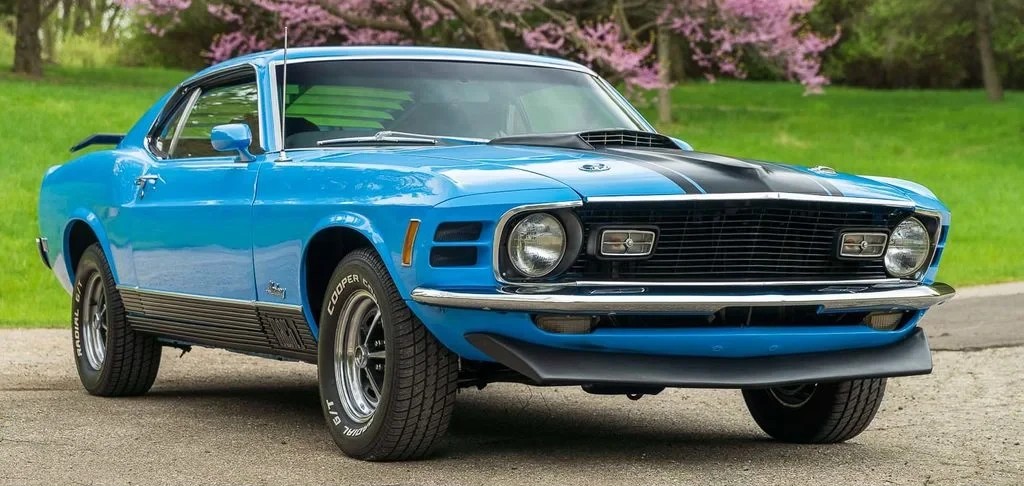
Preservation versus Restoration
Every vehicle carries a decision. Preserve what remains, or return it to a moment that no longer exists. We tend to prefer the former.
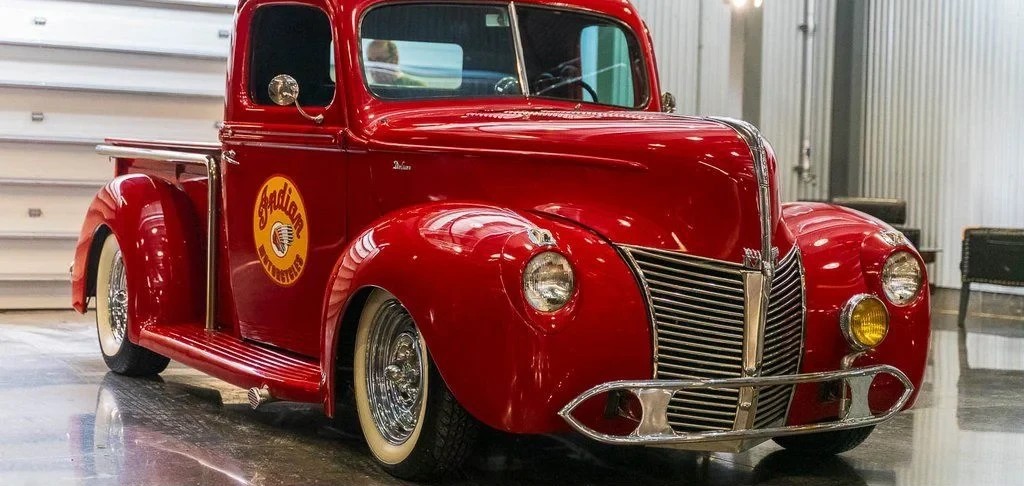
A vehicle is original only once. Everything after that is interpretation, and the quality of the interpretation is what separates a considered classic from an expensive approximation.
The collector world has moved decisively on this question over the past two decades. Preservation classes now sit at the centre of the most serious concours events, and Pebble Beach, Amelia Island and Salon Prive all recognise unrestored vehicles in their own right. That shift reflects a simple realisation: a well kept original tells you things a restoration cannot, and it cannot be recreated at any price.
What original actually means
Originality is not the same as untouched. A vehicle that has had brake lines renewed, perishable rubber replaced and fluids changed on schedule is still original in every sense that matters. What we are protecting is the factory applied finish, the original panels and their alignment, the interior surfaces, the assembly marks, the inspection stamps and the accumulated evidence of how the vehicle was built and used. Those are the things that disappear the moment a body goes into a blasting cabinet.
You are only the custodian of an original car. You are the author of a restored one.
When restoration is the right answer
There are vehicles for which preservation is not a genuine option. Structural corrosion that compromises safety must be corrected. Fire and accident damage must be repaired properly. A vehicle already resprayed badly in 1994 is not preserving anything by keeping that paint. In those cases the question is not whether to restore but how far, and the honest answer is almost always less far than the temptation suggests.
Sympathetic work respects what remains. It repairs the section rather than replacing the panel. It matches the original finish, texture and sheen rather than improving on it. It leaves the underside looking like a vehicle that has been driven rather than a display piece. A truck that looks better than it did leaving the factory is not more authentic. It is simply newer.
The commercial reality
Preservation is also the more rational financial position, though that is not why we hold it. An exceptional original vehicle carries a premium that a very good restoration rarely matches, because the buyer is acquiring something finite. Restored vehicles are compared against every other restoration of that model, and there is always another one being finished. Original vehicles are compared against a supply that shrinks every year.
How this shapes what we select
We look for vehicles whose condition is a record rather than a project. Honest paint with visible age is more interesting to us than a fresh respray of unknown depth. A worn but complete interior is preferable to a retrimmed one in the wrong material. Where restoration work has been carried out, we want to know who did it, when, and to what standard, and we would rather present a vehicle with two documented repairs than one with a beautiful finish and no history at all.
Written by The Stateside Collection. If you would like to discuss a vehicle, or you are looking for something specific, please get in touch or view the collection.